

Table of Contents
- What Makes Detailed Fantasy Monster Miniatures Essential for Tabletop Campaigns
- Predatory Creatures: Behirs, Chuuls, and Apex Hunters
- Oozes and Elemental Hazards: Black Puddings and Shambling Mounds
- Enchantment-Based Adversaries: Lamias and Cockatrices
- Undead and Mechanical Constructs: Skeleton and Clockwork Variants
- Fantasy Monster Miniatures: Understanding Scale and Measurement
- Golem and Ogre Miniatures: Choosing Between Strength-Based Threats
- Building Immersive Tabletop Displays with Your Monster Collection
- Frequently Asked Questions
Last Updated: October 6, 2026
What Makes Detailed Fantasy Monster Miniatures Essential for Tabletop Campaigns
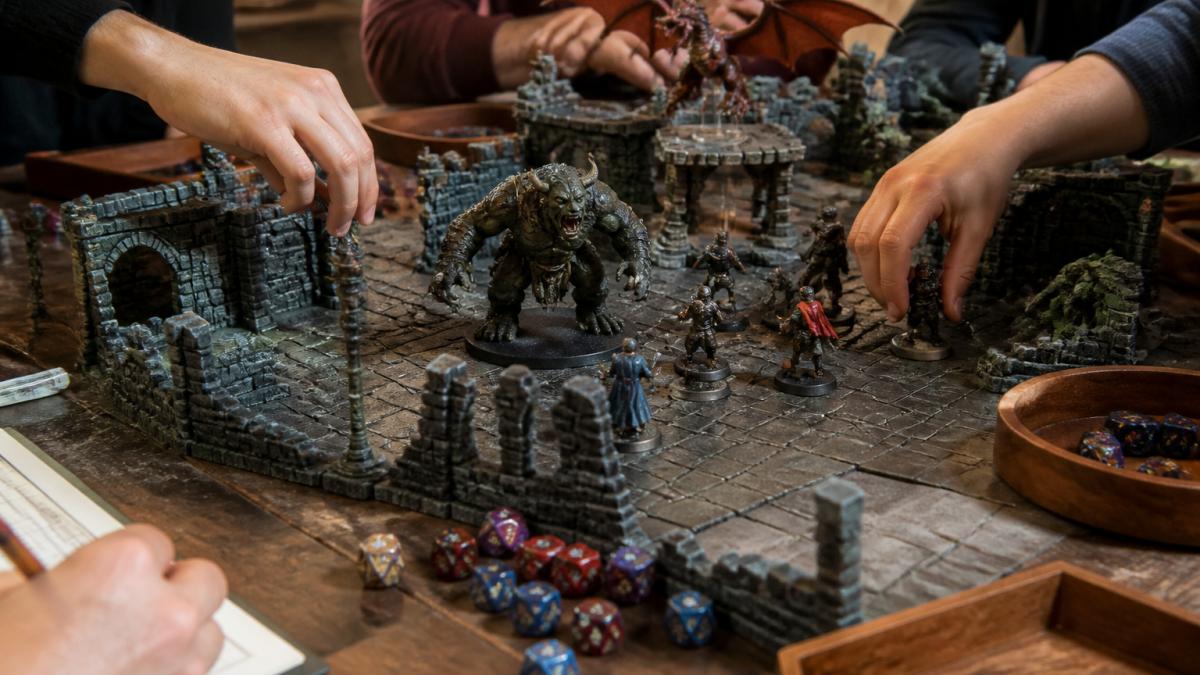
Detailed fantasy monsters for tabletop gaming transform how players experience their campaigns. A well-painted Behir or intricately modelled Chuul doesn't just sit on the board; it changes the entire tone of an encounter. When your players see a creature that matches the Dungeon Master's description, immersion deepens instantly.
This is where miniature quality separates memorable sessions from forgettable ones. Generic plastic figures work, but detailed fantasy monsters for tabletop do something better: they anchor the narrative in physical reality. Players stop thinking about abstract hit points and start reacting to the actual monster in front of them.
At Borishotch Industries, we specialise in crafting detailed miniatures that enhance player immersion and tactical engagement. The visual presence of a creature matters more than most guides acknowledge. A Shambling Mound that looks like a heap of rotting vegetation plays differently than a flat token; players treat it with appropriate caution.
The investment in quality detailed fantasy monsters for tabletop gaming pays dividends across an entire campaign. Your players will remember the sessions where creatures felt real. They'll talk about the Lamia encounter or the Clockwork Owlbear encounter months later. That's the difference between a game and a story.
Predatory Creatures: Behirs, Chuuls, and Apex Hunters
High-level encounters demand predatory creatures that feel genuinely dangerous. The Behir and Chuul represent two different approaches to apex predator design, each creating distinct tactical challenges.
The Dungeons & Dragons Behir Miniature stands as a serpentine apex hunter combining dragon and giant snake features. At £10.00, this detailed fantasy monster for tabletop captures the creature's coiling, muscular form, and multiple legs running along an elongated body, ready to crush prey. In gameplay, Behirs function as ambush predators with lightning-fast strikes and electrical attacks.

The Dungeons & Dragons Chuul Miniature at £7.00 represents an aquatic threat. This grotesque hybrid of crab and lobster, complete with paralysing tentacles, dominates underwater encounters. The miniature's exoskeleton detail and prominent pincers communicate danger. Chuuls hunt in packs or lie in ambush; the miniature's predatory stance makes this clear to players at a glance. For campaigns featuring subterranean lakes or coastal dungeons, this detailed fantasy monster for tabletop becomes essential for atmosphere-building.

Both creatures test party coordination. Neither relies purely on brute strength; tactical complexity emerges from their special abilities. When your players see these detailed fantasy monsters for tabletop positioned correctly, they'll immediately recognise the encounter demands more than standard melee tactics.
Oozes and Elemental Hazards: Black Puddings and Shambling Mounds
Environmental threats differ fundamentally from creature encounters. Oozes and animated vegetation force parties to reconsider their standard approach to combat entirely.
The Dungeons & Dragons Black Pudding Miniature at £7.00 presents a corrosive hazard as a gelatinous blob. This detailed fantasy monster for tabletop doesn't attack with weapons or magic; it dissolves everything it touches. The miniature's amorphous form and dark colouration communicate this threat. When players see it oozing across the dungeon floor, they understand that prolonged contact degrades armour and weapons. The model's design shows how it flows through narrow gaps where traditional creatures cannot follow.

The Dungeons & Dragons Shambling Mound Miniature at £7.00 embodies nature weaponised. Standing over 2.4 metres tall in the game world, this mass of vegetation and rotting matter moves with deceptive speed. The miniature's detail work shows vine-like appendages capable of ensnaring victims. Its camouflage ability means it emerges from marshes or forests. This detailed fantasy monster for tabletop transforms swamp encounters from straightforward travel into genuine hazard navigation.
Both oozes and animated vegetation force resource management decisions that standard combat doesn't. Fire becomes valuable against vegetation. Ranged attacks become essential against oozes. When players see these detailed fantasy monsters for tabletop, they should immediately recognise that standard tactics will fail.
Enchantment-Based Adversaries: Lamias and Cockatrices
Magic-focused creatures introduce psychological elements that physical threats cannot. The Lamia and Cockatrice represent two different magical dangers: seduction and petrification.
The Dungeons & Dragons Lamia Miniature at £12.00 captures the half-woman, half-serpent form perfectly. This detailed fantasy monster for tabletop embodies manipulation and cunning. Lamias are powerful spellcasters, particularly skilled in enchantment and illusion magic. The miniature's design shows the creature's serpentine lower body and human upper torso. Players facing this creature must resist charm spells and psychological manipulation alongside physical threats.
The Dungeons & Dragons Cockatrice Miniature at £4.00 presents a petrification threat in compact form. This rooster-reptile hybrid's most fearsome feature is its gaze attack; a single look can turn creatures to stone permanently. The miniature's design emphasises the creature's head and eyes. Players immediately understand why direct eye contact is a tactical concern. This detailed fantasy monster for tabletop encourages unconventional combat approaches.
Both creatures demand that players think beyond hit points and damage rolls. Enchantment-based adversaries introduce social and psychological layers that make encounters memorable. When your Lamia successfully charms a party member, the miniature's presence enhances the experience. When your Cockatrice's gaze threatens petrification, the detailed model reinforces the danger.
Undead and Mechanical Constructs: Skeleton and Clockwork Variants
Undead and constructs represent forces beyond nature, necromancy and artifice combined. These creatures feel fundamentally different from natural beasts.
The Dungeons & Dragons Skeleton Owlbear Miniature at £7.00 transforms a classic apex predator into supernatural horror. This detailed fantasy monster for tabletop combines the skeletal structure of an owlbear with dark necromantic energy. The miniature shows bones animated by forces beyond natural understanding. Skeleton Owlbears serve as undead guardians or cursed wilderness threats. Players facing this creature understand that standard tactics for living beasts may not apply, as undead immunities change combat dynamics.
The Dungeons & Dragons Clockwork Owlbear Miniature at £10.00 represents artifice and engineering merged with magical power. This detailed fantasy monster for tabletop features metal plates, gears, and pistons instead of flesh. The miniature's mechanical detail communicates that this creature was constructed, not born. Clockwork Owlbears serve as sentinels and guardians in artificer workshops or wizard laboratories.
Both variants demonstrate how detailed fantasy monsters for tabletop can convey creature type through visual design alone. Players see bones or gears and understand this isn't a natural creature. Tactical implications can follow from the miniature's appearance.
Dungeons & Dragons Behir Miniature →
Fantasy Monster Miniatures: Understanding Scale and Measurement
Scale consistency determines whether your detailed fantasy monsters for tabletop work together visually. Most D&D miniatures use 32mm scale, the measurement from the creature's feet to eyes when standing upright.
This 32mm standard creates visual coherence across your entire collection. A 32mm Behir stands appropriately massive next to a 32mm Cockatrice. A 32mm human-sized character reaches the Shambling Mound's lower appendages. Scale consistency helps anchor players in the game world. When everything measures consistently, spatial relationships can make sense.
The detailed fantasy monsters for tabletop in our collection maintain this standard throughout. Whether you're building a single encounter or an entire campaign's worth of creatures, consistent scale ensures your miniatures work together seamlessly. Mixing 28mm figures with 32mm can create visual confusion that may undermine immersion.
Scale can also affect how players perceive threat level. A properly-scaled Behir towers over standard-sized characters, communicating its apex predator status visually. A correctly-scaled Cockatrice appears small but dangerous; the miniature's detail work can convey lethality despite its compact size. This visual communication can happen before dice roll, shaping player expectations and tactical decisions.
Golem and Ogre Miniatures: Choosing Between Strength-Based Threats
Strength-based threats dominate lower-level encounters. Golems and Ogres represent different approaches to overwhelming physical power.
Golems embody magical craftsmanship, constructs created through artifice and enchantment. Ogres represent brute natural strength combined with cunning. Both create encounters where tactical thinking matters more than hit point totals.
When selecting between golem and ogre miniatures for your campaign, consider what story you're telling. A golem serves as a guardian, a magical trap made manifest. An ogre functions as a territorial predator or raider. The detailed fantasy monsters for tabletop you choose should match your narrative intent.
The Clockwork Owlbear miniature demonstrates how construct design communicates purpose. Mechanical detail shows intentional creation rather than natural evolution. This visual distinction shapes how players approach the encounter. They'll look for weak points in the construction, consider disabling mechanisms, think about anti-magic effects.
Physical strength alone rarely creates memorable encounters. Your detailed fantasy monsters for tabletop should communicate these nuances through their design and detail.
Building Immersive Tabletop Displays with Your Monster Collection
Your detailed fantasy monsters for tabletop deserve presentation that matches their quality. How you display creatures shapes how players perceive them.
Start with consistent basing. All your miniatures should use the same base style and size; this creates visual cohesion across your collection.
Lighting transforms miniature presentation. Proper lighting reveals the detail work in your creatures. A Behir's scales look more menacing under warm light. A Black Pudding's gelatinous form becomes more unsettling with directional lighting.
Storage matters as much as display. Protect your detailed fantasy monsters for tabletop between sessions.
Organisation by encounter type helps during gameplay. Keep your predatory creatures together, your undead separate, your elemental hazards grouped. When you can quickly locate the right detailed fantasy monster for tabletop, session pacing can improve.
Consider your dungeon terrain when building displays. Detailed fantasy monsters for tabletop interact with their environment. A Shambling Mound looks more threatening rising from swamp terrain. A Behir appears more menacing coiled across rocky outcrops.
Creating memorable tabletop encounters starts with detailed fantasy monsters for tabletop gaming that match your campaign's visual standards.
Frequently Asked Questions
What scale should fantasy monster miniatures be for tabletop gaming?
Most detailed fantasy monster miniatures are cast at 32mm scale, which is the standard for contemporary tabletop role-playing games. This scale balances fine detail with practical handling and storage. Smaller scales (15mm–20mm) suit large battlefields or budget-conscious collections, while larger scales (50mm+) showcase intricate craftsmanship but require more table space. Always verify the scale before purchasing to ensure compatibility with your existing miniatures and terrain.
How do you choose between different fantasy monster miniatures for your campaign?
Consider three factors: encounter role (does the creature ambush, cast spells, or tank damage?), visual impact (does it match your campaign's tone?), and practical fit (does it work with your existing collection's scale and aesthetic?). A Behir suits high-level wilderness encounters testing tactical coordination, whilst a Black Pudding works better for dungeon hazards forcing creative problem-solving. Match the miniature's visual character to the narrative purpose you want it to serve.
What makes 3D printed fantasy monster miniatures different from traditional casting?
3D printed miniatures offer accuracy to original artwork and Monster Manual designs, with fine detail in features like scales, tentacles, and facial expressions. Models created by skilled artisans like MZ4250 capture anatomical precision. The resin material is durable and holds paint well, whilst the printing process allows for complex poses and multi-part creatures.
How should you display detailed monster miniatures on a tabletop?
Position creatures according to their lairs and hunting patterns: Chuuls in murky water features, Shambling Mounds amongst vegetation, and Cockatrices on elevated rocky terrain. Use terrain pieces to frame the monster's scale and create visual hierarchy. Lighting matters—place miniatures where tabletop light catches fine details without creating harsh shadows. Grouping thematically related creatures (undead together, aquatic predators clustered) creates cohesive dungeon encounters that players find memorable and immersive.
Are detailed fantasy monster miniatures expensive compared to mass-produced alternatives?
Detailed 3D printed miniatures range from £1 to £12 depending on complexity and size. A Cockatrice costs £4, whilst a Lamia with intricate spellcaster detail runs £12. Bulk discounts apply: 5% off orders over £50, 10% off over £100, and 15% off over £150. Free postage on UK orders over £50 further offsets costs. For collectors building comprehensive monster libraries, volume purchasing makes detailed pieces highly cost-effective compared to official alternatives.