

Last Updated: November 8, 2026
Quick Summary
Start a dnd collection gradually, buying figures in stages rather than one large order. Begin with one figure per player character, then add three to five low-level enemies for your first encounter. Let your campaign's needs decide what you buy next.
- Buy one figure for each player character first, since these are moved every session.
- Add three to five low-level enemies such as goblins or skeletons for the first encounter.
- Add signature campaign pieces, such as a boss, only when your story calls for them.
- Buy terrain and play surfaces last, as a battle map or household objects can substitute.
- Check scale, condition and base compatibility before buying second-hand figures.
Table of Contents
- Why Start a D&D Collection Gradually
- D&D Miniatures for Beginners: What to Buy First
- How Many D&D Miniatures Do You Need?
- Budget Tiers and Realistic Costs for Your First Collection
- D&D Miniature Collection Ideas Worth Planning Around
- How to Store D&D Miniatures Safely
- Your Next Step: Choosing Your First Order
- Frequently Asked Questions
Why Start a D&D Collection Gradually
Starting a Dungeons & Dragons dnd collection is easier when you treat it as a slow build rather than a single big purchase. Most players who regret their first order bought too many figures before they knew what their table actually needed. A staged approach keeps spending sensible and lets your collection grow with your campaign.
Borishotch Industries sells D&D miniatures and related pieces, and a handful of figures that match your next session is a sensible place to start.
Think of your collection in three stages: the figures you use every week, the ones you add when a campaign calls for them, and the ones you keep for display or future adventures. This keeps you from paying for pieces that sit in a box for months.
D&D Miniatures for Beginners: What to Buy First
If you are new to tabletop play, begin with the characters around your table. Your party's player characters are the figures you will move most often, so they should come first. After that, a few common low-level enemies such as goblins, skeletons or bandits cover most early encounters.
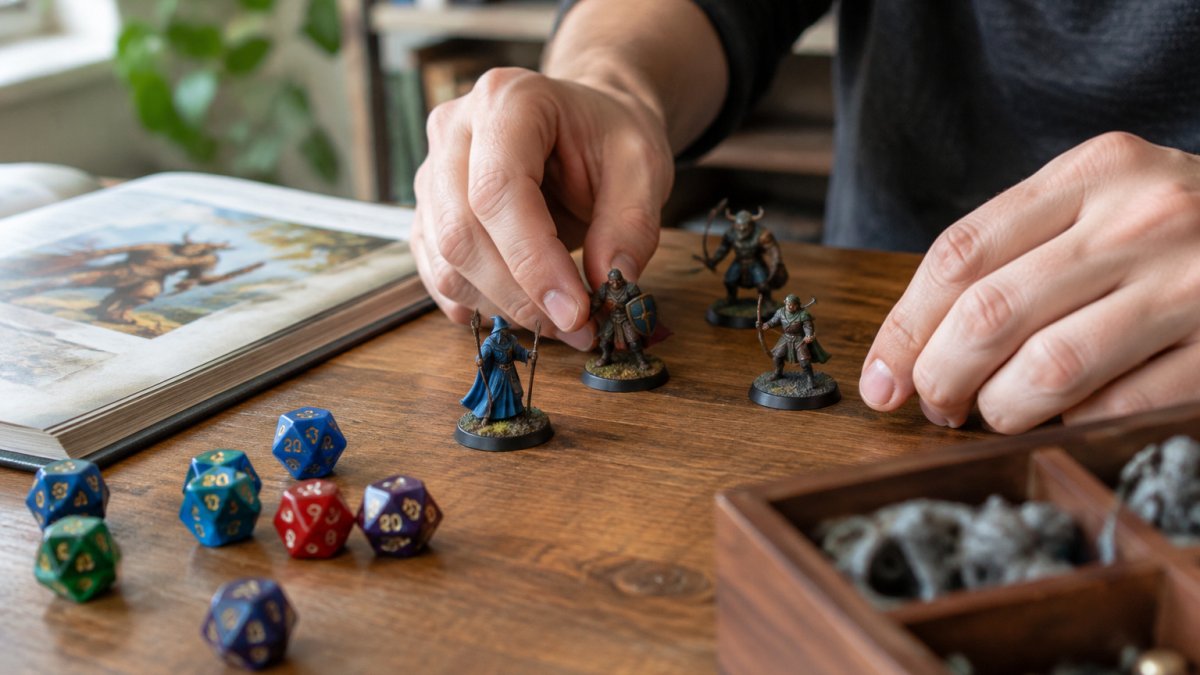
Our Dungeons & Dragons Miniature Monthly Subscription delivers four curated figures each month, which suits players who want a steady stream of new options without planning every purchase. Each figure is tabletop-ready and is designed to be compatible with 28mm or 32mm systems.

For a first session, a practical starting list might include:
- One figure per player character
- Three to five low-level enemies for the first encounter
- One or two terrain pieces or a battle map
Individual pieces are a good way to fill gaps. You can browse our Dungeons and Dragons Miniatures range for characters, monsters and creatures, then add the specific figures your campaign needs.
How Many D&D Miniatures Do You Need?
There is no fixed number, and the size of a collection depends on how your group plays. Some groups need more, particularly if they run large battles or varied monster encounters, while others are happy with a smaller set and use tokens or theatre-of-the-mind for everything else.
A simple way to estimate your needs is to list the monsters in your next three sessions and count the unique creatures. Add your party's characters, then leave room for one or two surprises. You do not need every figure in the Monster Manual on day one.
Budget Tiers and Realistic Costs for Your First Collection
Costs vary widely, so it helps to plan around three tiers.
- Starter: Enough figures for your party and a small set of common enemies.
- Core: A full party plus a varied bestiary and a few terrain pieces, suitable for a campaign that is already running.
- Expanded: A large collection covering multiple encounter types, bosses and specialist pieces.
Our Dungeons & Dragons Miniature Monthly Subscription costs £10.00 a month for four figures, which can be a sensible way to spread the cost of a core collection over time. Buy in stages rather than all at once, and you will spend far less on figures you never use.
The three budget tiers and the monthly subscription cost are summarised below.
| Tier | Typical scope | Note |
|---|---|---|
| Starter | Party figures plus a few common enemies | Enough for early sessions |
| Core | Full party, varied bestiary and terrain pieces | Suits a campaign already running |
| Expanded | Large collection with bosses and specialist pieces | Buy in stages to avoid waste |
| Monthly subscription | Four figures each month | £10.00 a month |
D&D Miniature Collection Ideas Worth Planning Around
A theme is not just an aesthetic choice; it is a buying filter that stops you accumulating figures you never field. The most useful collections are planned in a deliberate order, so each purchase earns its place at the table.
A practical staged plan looks like this:
- Player characters first. One figure per character at your table, chosen to match class and silhouette. These are moved every session, so they justify the spend before anything else.
- Reusable low-level enemies second. Goblins, skeletons, bandits and similar common foes cover the bulk of early encounters and can be reused across campaigns. Buy these in small groups rather than singly, so you can field a full encounter.
- Signature campaign pieces third. A boss, a named villain or a creature central to your story. These are bought when the campaign calls for them, not in advance.
- Terrain and play surfaces last. Add these once your figure collection is functional, because they are the easiest to substitute with a battle map or household objects.
Within that order, a few themes work well:
- Party archetypes: Build around a balanced group, such as a fighter, a wizard and a support character. Our Dungeons & Dragons Human Male Fighter Axe and Shield Miniature is a solid starting figure for a martial character, and the Dungeons & Dragons Apprentice Wizard Miniature suits a spellcaster.
- Monster families: Collect one creature type at a time, such as undead or aberrations, so encounters feel consistent and figures can be swapped between sessions.
- Campaign-specific builds: Match figures to the locations and villains in your story before you buy, rather than buying a broad bestiary on spec.
Match the plan to how you actually play. If your group meets online, physical figures add little, and tokens or theatre-of-the-mind are sufficient; put the budget into a few character pieces for in-person sessions instead. If your table is small, favour figures on 25mm bases and avoid oversized models that crowd the play area. Our Art Around The World collection is a useful reference if you want art-inspired pieces that tie a set together visually.

A focused, staged collection is easier to store, paint and use at the table, and it keeps spending aligned with what your campaign actually needs.
Watch out: buying a large bestiary before your first campaign is underway usually leads to figures that sit unused for months, so let the story drive the order.
How to Store D&D Miniatures Safely
Storage and maintenance matter more than most beginners expect, and they start before you buy. Figures can chip, bend or collect dust if they are left loose.
Buying safely, including second-hand. When evaluating a figure, check three things: scale (most D&D play uses 28mm or 32mm, so confirm the piece fits your existing set), condition (look for bent weapons, missing parts, flaking paint or a strong smell that suggests damp storage), and compatibility (base size and material, so it sits flat on your play surface). With second-hand sellers, ask for clear photos from several angles and a description of any repairs; a seller who cannot provide these is a risk. A common pattern is that loose lots sold cheaply contain a few usable figures and several damaged ones, so compare the per-figure cost against buying new.
Storing at home. Keep figures in a box with individual compartments or foam inserts, and store them away from direct sunlight, which can fade paint over time. Store figures upright where possible so that detail on weapons and wings is not pressed against other pieces. Keep a simple inventory noting what you own and which figures are painted, so you can see at a glance what is missing before you buy again; this also stops duplicate purchases.
Transporting to sessions. For transport, a tackle box or a dedicated carry case with a lid works well. Pack heavier pieces at the bottom and lighter or spindly figures on top, and avoid overfilling a case, because pressure in transit is the most common cause of bent parts. A small cloth bag for dice and tokens keeps loose items from scratching painted surfaces.
Maintenance. Dust with a soft brush rather than a cloth, which can catch on protruding parts. If a figure bends, gentle warmth and a slow straighten usually restores it; forcing a cold bend can snap it. Repaint chips promptly with a matching colour before they spread.
Your Next Step: Choosing Your First Order
Start small and specific. Write down your party, the first three sessions of your campaign and the enemies you expect to face. Choose figures for those needs first, then add pieces as your game grows.
When you are ready, search our full range for the characters and creatures on your list. We ship UK orders, offer volume discounts on larger purchases and stock a wide selection of D&D miniatures and related collectibles to help you build a collection that fits your table.
Frequently Asked Questions
What do you need to start a D&D collection?
Start with a small set of miniatures that cover your party's likely roles, a few common enemies, and a simple surface such as a gridded mat or a basic battle map. Dice, a character sheet and the core rulebooks are the other essentials. Buy in stages rather than all at once, so each purchase matches a real session you are planning. Borishotch Industries sells individual D&D miniatures from £4.00, which makes it practical to add one or two pieces at a time as your campaign grows.
How many miniatures do you need to play D&D?
You can play with none, since theatre of the mind and drawn maps work well. For a basic table, a party of four to five player miniatures and roughly six to ten enemies covers most early encounters. Add more as your campaign introduces larger groups. Many groups find that a handful of versatile monsters reused across sessions goes further than a large collection of single-use pieces.
What miniatures should a beginner buy first?
Begin with the characters your players are most likely to use: a fighter, a wizard and a rogue are a useful starting trio. Add common low-level enemies such as goblins or an apprentice-style caster, since these appear in early adventures. The Dungeons & Dragons Human Male Fighter Axe and Shield Miniature and the Dungeons & Dragons Apprentice Wizard Miniature, both £4.00 from Borishotch Industries, are examples of pieces that suit this stage.
Are miniatures necessary for Dungeons & Dragons?
No. Miniatures are a visual aid that helps players track positions during combat, and many groups play without them. If your table is limited on space or budget, paper tokens, coins or a virtual tabletop can do the same job. Physical miniatures become more valuable once you enjoy tactical combat and want a tangible way to show the battlefield to your players.
How should you store and organise D&D miniatures?
Sort miniatures by type, such as heroes, humanoids, beasts and undead, and keep painted pieces separate from unpainted ones. Use foam-lined cases or small compartment boxes to stop figures from knocking together, and store them upright where possible. Keep a simple inventory list so you can find a specific creature quickly during a session.
