Borishotch Industries
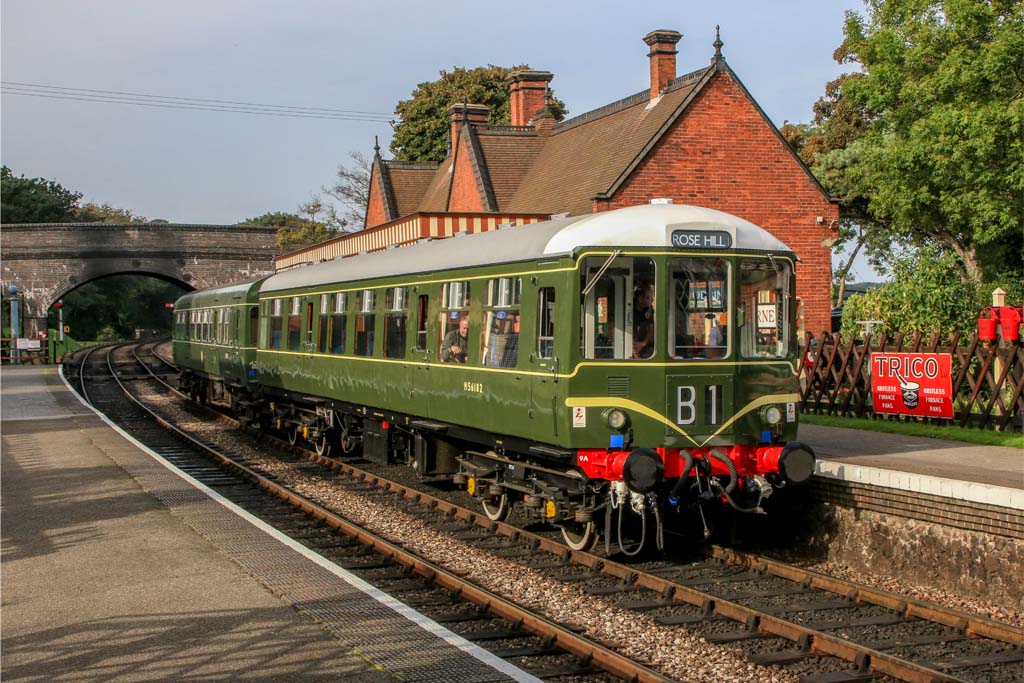
Class 104 DMU – 56182 ‘Heritage Railcar’ Hueforge
Class 104 DMU – 56182 ‘Heritage Railcar’ Hueforge
Couldn't load pickup availability
This is a Hueforge 3D Art of Class 104 DMU – 56182 ‘Heritage Railcar’ Hueforge.
The Model is 170x113mm in size
The Class 104 DMU, specifically unit 56182 known as “Heritage Railcar,” is a preserved example of a British diesel multiple unit built by the Birmingham Railway Carriage and Wagon Company (BRCW) in the late 1950s. These units were part of the first generation of DMUs introduced by British Railways as part of the Modernisation Plan, designed to replace steam-hauled local services with more efficient diesel-powered trains. The Class 104s were built between 1957 and 1959, with over 300 vehicles constructed in various configurations.
Unit 56182 is a Driving Motor Brake Second (DMBS), meaning it contains both passenger seating and a guard’s compartment with space for luggage, as well as the driver’s cab and its own engine. Each car carried two six-cylinder diesel engines made by Leyland, driving the wheels through a mechanical transmission. This setup gave the trains a reliable, sturdy character and a distinctive growling sound that enthusiasts often associate with early DMUs. The Class 104s were known for their solid build quality and simple, functional interiors with traditional compartment-style seating and large opening windows.
They were originally allocated to the London Midland Region and later served in areas such as Manchester, Birmingham, and North Wales. By the late 1980s, most units had been withdrawn as newer, more modern DMUs entered service, but a handful survived into preservation. Vehicle 56182 was among those saved and restored by dedicated volunteers. Today, “Heritage Railcar” serves as a representative of mid-twentieth-century regional rail travel in Britain, often operating on heritage railways where visitors can experience the distinctive atmosphere of post-war diesel travel.
Its preservation helps illustrate the technological shift from steam to diesel on Britain’s secondary routes, reflecting both the ambition and the practicality of the Modernisation Plan era.
Share